Robot Vacuums With the Best Obstacle Avoidance (2026): No More Eaten Cords or Pet Mess
As an Amazon Associate I earn from qualifying purchases. Prices and availability are accurate as of the date/time indicated and are subject to change.
The short answer
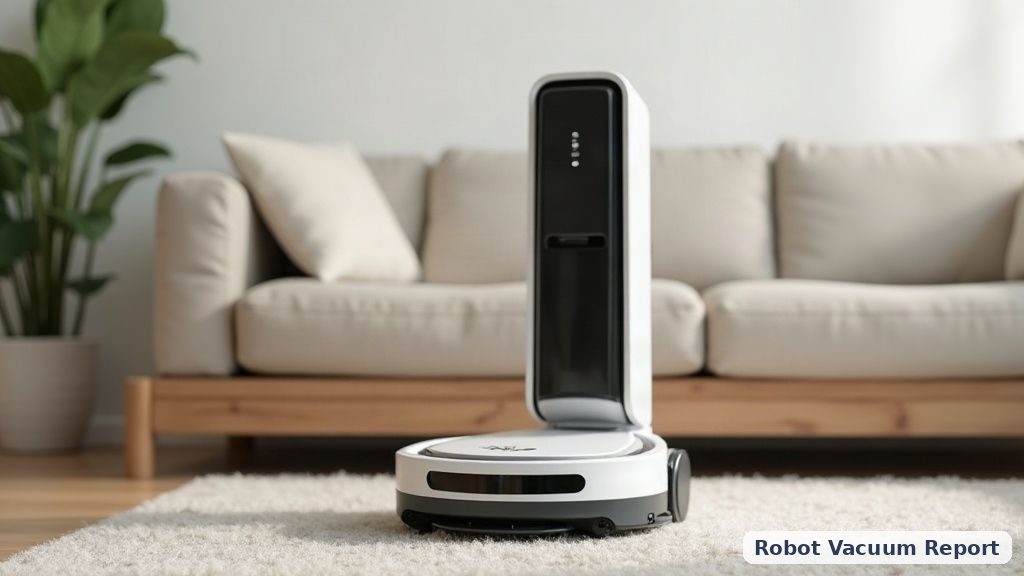
If you only want one recommendation: dreame X50 Ultra Robot Vacuum. Its AI camera + 3D obstacle sensing reliably identifies and steers around cords, shoes, and — critically — pet waste, which is the failure that ruins a whole run; top-tier avoidance is what makes a robot truly hands-off.
Check price on Amazon →🔍 How this guide was put together (Editorial Standards)
This guide compares options using published manufacturer specifications, patterns in publicly visible owner reviews, and reputable expert sources. We do not operate a physical testing lab; see our how-we-research page for details.
EDITOR'S PICKS
Top Picks
TOP PICK


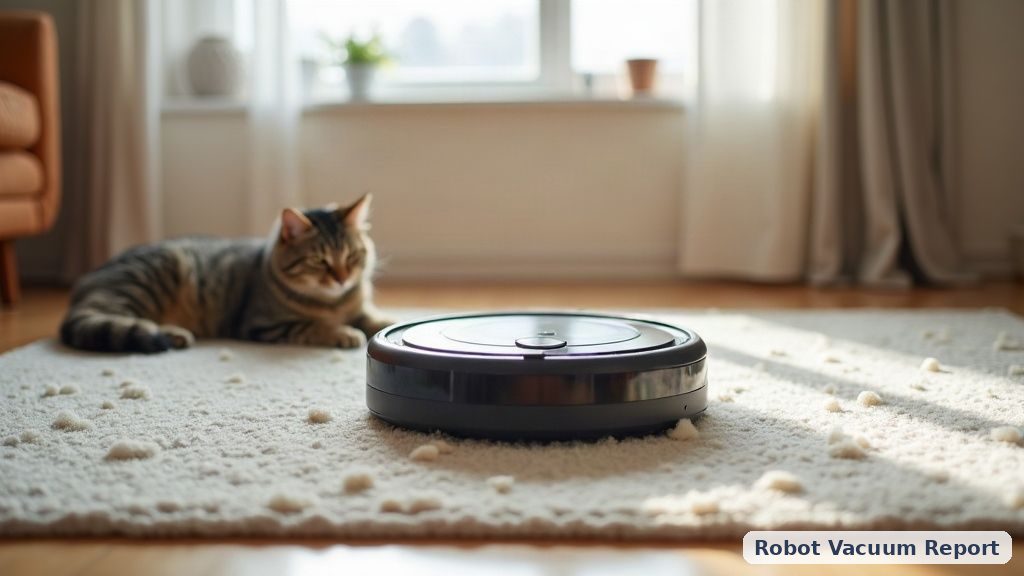
The single feature that decides whether a robot vacuum is truly “set and forget” isn’t suction or battery — it’s obstacle avoidance. A robot with poor avoidance gets tangled in charging cables, drags a sock across the room, or — the nightmare in pet homes — runs over pet waste and paints it across every floor. A robot with great avoidance glides around all of it. Here’s how the tech works, what actually matters, and which robots genuinely see and dodge your stuff.
How obstacle avoidance works (LiDAR vs camera vs both)
Robots “see” obstacles a few different ways, and the best combine them:
- LiDAR (spinning laser): builds an accurate map and detects walls/large objects well — great for navigation, less good at spotting small ground clutter like cords. See our multi-floor mapping guide.
- Camera + AI recognition: identifies what an object is (cord, shoe, pet waste) and steers around it — the key to avoiding the small, run-ruining hazards.
- 3D structured light / dual-laser: adds depth sensing for small objects LiDAR alone misses.
The robots that avoid best (like the dreame X50/L50 Ultra) pair mapping with AI object recognition — map to navigate, camera to dodge.
What actually matters in avoidance
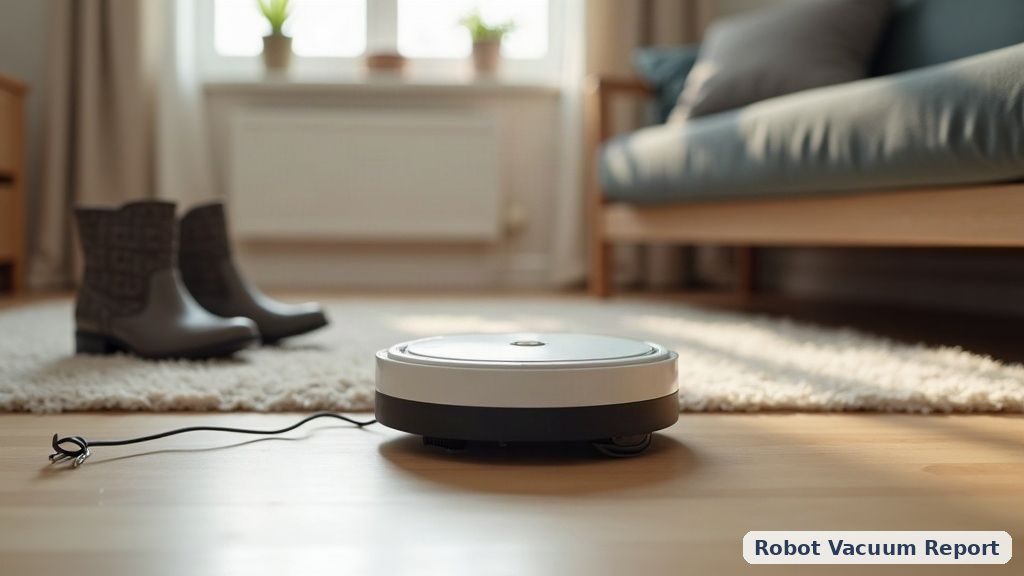
- Small-object detection: cords, socks, charging cables — the stuff that tangles a robot. This is where cheap robots fail and AI-camera models shine.
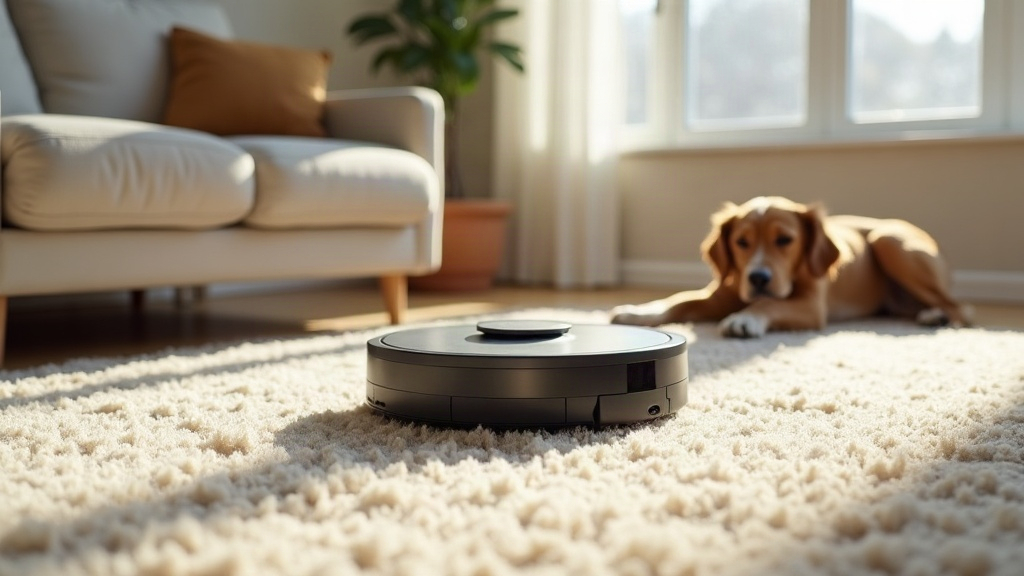
- Pet-waste detection: the make-or-break feature in pet homes. Good AI models specifically recognize and avoid it; a robot without it can ruin an entire run. For pet homes, pair this with our best robot vacuum for pet hair picks.
- Low-light performance: camera-based avoidance can struggle in the dark — 3D/laser sensing helps robots avoid obstacles even at night.
Which robot vacuum has the best obstacle avoidance?
Top-tier models with AI cameras plus 3D/laser sensing — like the dreame X50 Ultra — lead, because they both see small objects and identify what they are (including pet waste). Mid-range LiDAR robots (like the Tapo RV30) navigate well and avoid larger obstacles but miss more small clutter. Match the level of avoidance to how cluttered (and pet-filled) your home is.
Do robot vacuums avoid pet poop?
The good ones do — premium AI-camera robots specifically detect and steer around pet waste, which is exactly why they’re worth it in pet homes. Budget robots without object recognition don’t, and running one over waste is the messiest failure a robot can have. If you have pets, prioritize recurring pet-waste avoidance above almost every other feature.
Is LiDAR or camera better for avoiding obstacles?
They’re complementary. LiDAR is better for accurate mapping and navigation; a camera with AI is better for identifying and dodging small ground clutter like cords and waste. The best robots use both — LiDAR to know the house, camera to avoid the hazards. A LiDAR-only robot maps well but bumps or tangles on small objects more often.
Will obstacle avoidance stop my robot getting stuck?
It dramatically reduces it — good avoidance means fewer tangles in cords, fewer stranded-on-a-sock runs, and fewer aborted cleans. It’s not perfect (very thin cables still fool some), so tidy loose cords anyway. But strong avoidance is the difference between a robot that finishes every run and one you’re constantly rescuing.
📚 Related In-Depth Analysis
- Compare findings with our guide on Robot Vacuum With Stairs Drop Detection.
- Compare findings with our guide on Robot Vacuum Battery Life.
📚 Related In-Depth Analysis
- Compare findings with our guide on Robot Vacuum For Thick Carpet.
- Compare findings with our guide on Robot Vacuum Vs Cordless Stick Vacuum.
🔧 Interactive Planning Tool
Need exact measurements for your setup? Use our Furniture Clearance & Obstacle Navigator to Verify robot turret height against sofa clearance and carpet thresholds.
The pick
If your home has cords, clutter, or pets, obstacle avoidance is the feature to spend on: a dreame X50 Ultra (AI camera + 3D sensing, pet-waste detection) is the hands-off benchmark, with the L50 Ultra a strong step down and the Tapo RV30 a solid mid-range mapper. Buy the avoidance level your floors demand — especially if you have pets — and check the listing for whether pet-waste detection is explicitly supported.