Robot Vacuum Battery Life: How Long They Really Run (2026)
As an Amazon Associate I earn from qualifying purchases. Prices and availability are accurate as of the date/time indicated and are subject to change.
🔍 How this guide was put together (Editorial Standards)
This guide compares options using published manufacturer specifications, patterns in publicly visible owner reviews, and reputable expert sources. We do not operate a physical testing lab; see our how-we-research page for details.
EDITOR'S PICKS
Top Picks


Your robot vacuum got halfway through the living room and quit. That’s the moment battery life stops being a spec on the box and starts being an actual problem. But raw runtime hours matter less than most buyers think — a quieter, more important spec is recharge-and-resume. Here’s what the numbers really mean, what runtime you actually need, and why the “120 minutes” on the box is a best case, not a promise.
What the runtime number actually is
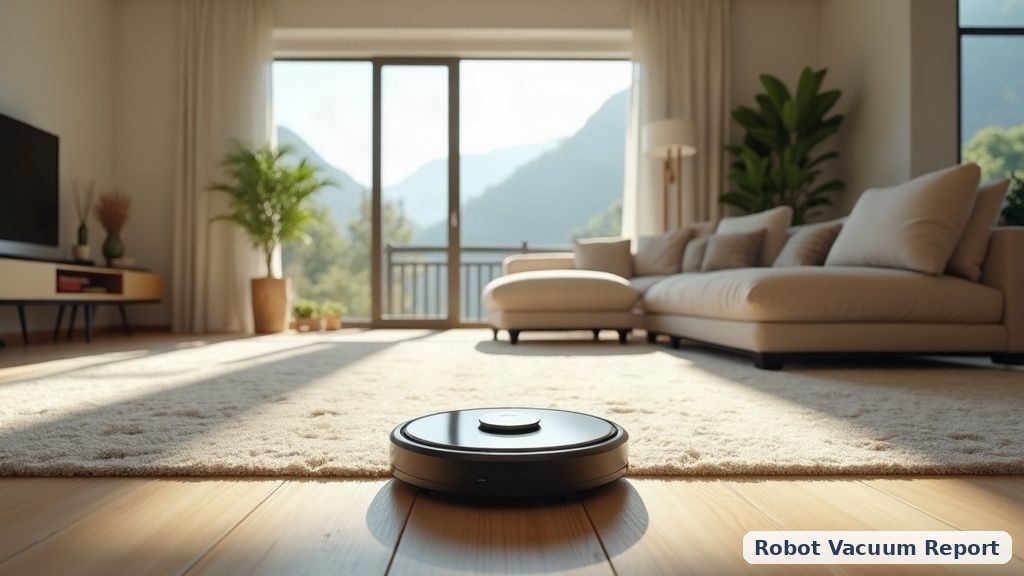
Manufacturers publish runtime on a full charge, in the quietest suction mode, on hard floors, no obstacles. In your real house — carpet, doorway edges, that one Lego — you’ll see less. Common draws that eat runtime:
- Higher suction mode (auto-boost on carpet, “max” mode) cuts runtime by 30–50%.
- Mopping mode (combo units) shortens runtime because the water pump adds draw.
- LiDAR + camera navigation are minor draws but real.
- Cold rooms — batteries lose capacity below ~60°F.
Rough guide by floor plan:
| Home size | Runtime you actually need |
|---|---|
| Studio / 1BR (up to ~600 sq ft) | ~60 min |
| 2BR apartment (~800–1200 sq ft) | ~90 min |
| Small house (~1500–2000 sq ft) | ~120 min (or recharge-and-resume) |
| Large / multi-floor | Recharge-and-resume mandatory |
The spec that matters more than hours: recharge-and-resume
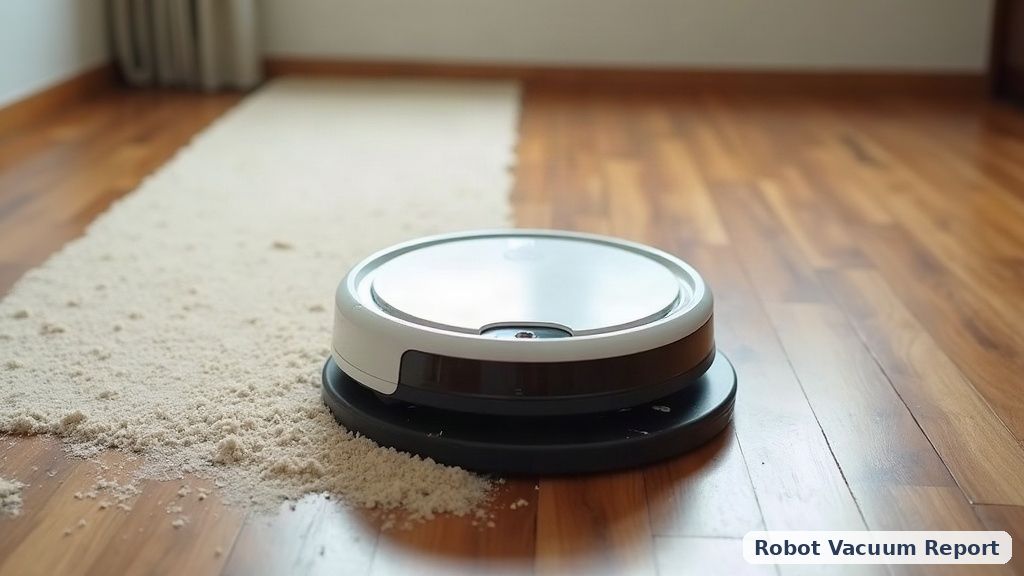
Recharge-and-resume means when the battery gets low mid-clean, the robot returns to the dock on its own, charges, and then goes back out to where it stopped and finishes. Without it, low-battery ends the clean and you get a partial job.
Any home over ~1500 sq ft — or any home the robot can’t cover on one charge in your actual suction/mopping settings — really needs this feature. It turns a battery limitation into a non-issue at the cost of running longer wall-clock time. Our large-home battery guide digs into this specifically.
How long does a robot vacuum battery last (lifespan)?
The pack itself usually lasts 2–4 years of daily use before capacity drops noticeably. Most are lithium-ion and follow the standard charge-cycle curve — 300–500 full cycles before you’re below ~80% original capacity. Habits that shorten it:
- Storing at 0% for weeks (or full-charge at 100% long-term).
- Running it hot rooms or in direct sun on the dock.
- Rare firmware updates skipping battery-management improvements.
Replacement packs exist for most major brands at $30–70. Our maintenance guide covers the routine that keeps the pack in good shape.
Does running it every day drain the battery faster?
Not meaningfully — a daily short cycle actually treats the pack better than a weekly long one, because shallow discharge cycles are easier on lithium-ion than deep ones. The pack cares about total energy over time, not “days used.” Run it daily; that’s what it’s built for.
What about mopping — does it kill runtime?
Yes, notably. Combo units in mop mode can lose 20–40% of vacuum-only runtime. If you have a big area to mop, size up on battery or budget for a recharge-and-resume model.
📚 Related In-Depth Analysis
- Compare findings with our guide on Robot Vacuum Mop Anti Tangle Pet Hair.
- Compare findings with our guide on Robot Vacuum Multi Floor Mapping.
📚 Related In-Depth Analysis
- Compare findings with our guide on Robot Vacuum Vs Regular Vacuum.
- Compare findings with our guide on Robot Vacuum For Hardwood Floors.
🔧 Interactive Planning Tool
Need exact measurements for your setup? Use our Furniture Clearance & Obstacle Navigator to Verify robot turret height against sofa clearance and carpet thresholds.
The bottom line
Robot vacuum “battery life” numbers are best-case marketing — real runtime is 60–70% of the label once you’re on carpet at auto-boost. Match runtime to your floor plan, and if you’re anywhere near the limit, recharge-and-resume matters more than raw minutes. Battery packs themselves last 2–4 years and are replaceable. Don’t buy the biggest battery number; buy the one that finishes your house.