How Often Should You Run a Robot Vacuum? (Schedule Guide)
As an Amazon Associate I earn from qualifying purchases. Prices and availability are accurate as of the date/time indicated and are subject to change.
🔍 How this guide was put together (Editorial Standards)
This guide compares options using published manufacturer specifications, patterns in publicly visible owner reviews, and reputable expert sources. We do not operate a physical testing lab; see our how-we-research page for details.
EDITOR'S PICKS
Top Picks


📑 Table of contents
Short answer: most homes do best running a robot vacuum once a day, but the honest answer depends on how many pets you have, what your floors are made of, and how much foot traffic moves through the space. Running it too rarely lets dust and hair build up; running it constantly wears the brushes and battery for little extra benefit. Below is a practical schedule you can actually stick to.
The quick schedule by household type
The right frequency is less about a universal rule and more about matching cleaning to how fast dirt accumulates in your home. Here’s a starting point:
- No pets, low traffic (1–2 people): 2–3 times per week is plenty. Floors simply don’t get dirty fast enough to justify daily runs.
- No pets, higher traffic (family, kids): Once a day, ideally mid-morning after breakfast crumbs land.
- One pet: Once a day, minimum. Pet dander and hair settle continuously.
- Multiple pets or heavy shedders: Once a day, and consider a second short run in high-traffic zones. Hair builds up faster than most people expect.
The goal is to keep debris from ever accumulating, not to blast an already-dirty floor. A daily light pass beats a weekly deep struggle.
Why daily usually wins
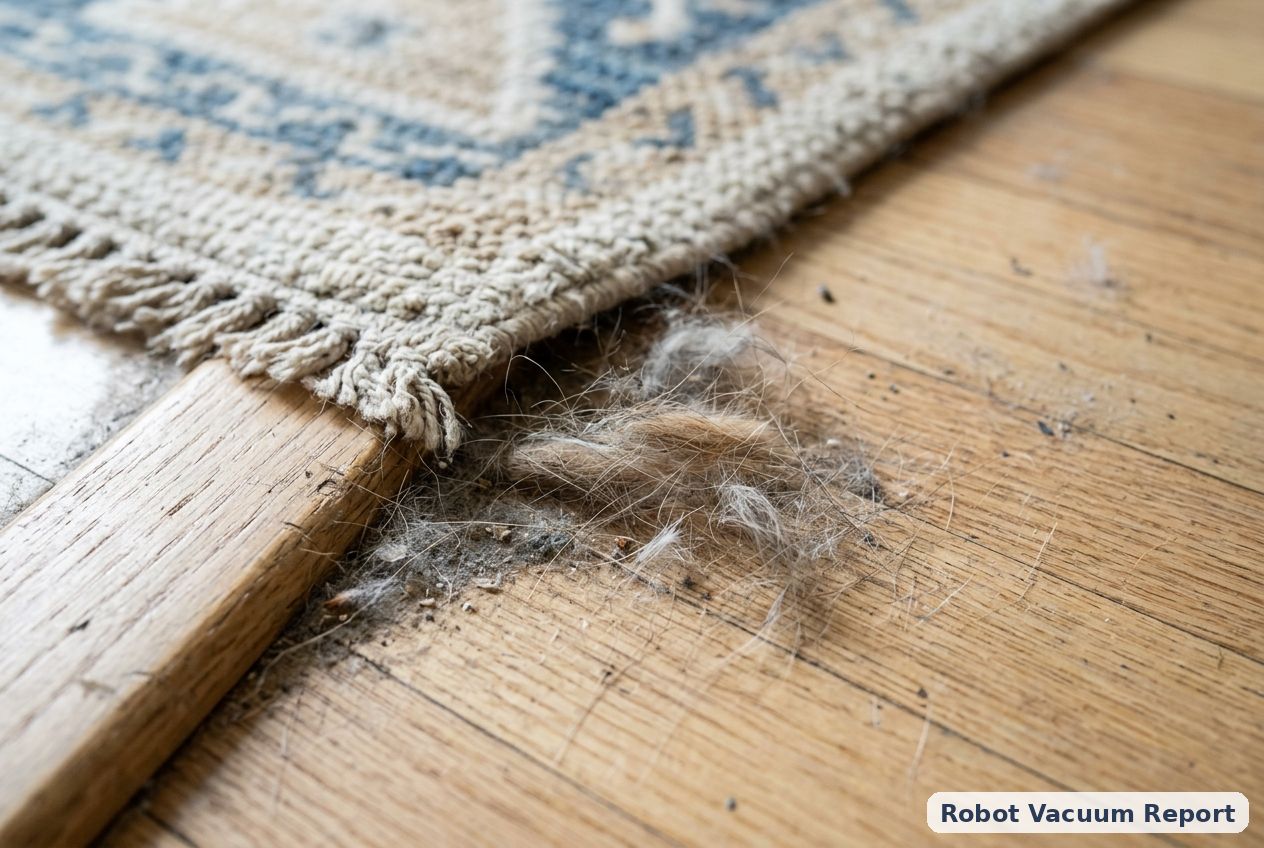
Robot vacuums are designed for maintenance cleaning, not deep cleaning. Their strength is showing up every day so dust never gets a chance to embed into carpet fibers or drift into corners. A floor that’s vacuumed daily stays visibly cleaner with less effort than one cleaned hard once a week.
Daily runs also reduce allergens. Pet dander, pollen tracked in on shoes, and fine dust settle every single day — a daily cycle keeps those levels low instead of letting them spike between weekly cleans. If anyone in your home has allergies, daily is the clear choice.
This is especially true if you have pets. Hair doesn’t wait for the weekend, and matted pet hair is far harder to lift once it’s worked into a rug. If pet hair is your main concern, our best robot vacuum for pet hair guide covers models with tangle-resistant brushes built for exactly this.
When less often makes sense
Daily isn’t mandatory for everyone. If you live alone in a small apartment with hard floors and no pets, running the robot 2–3 times a week is genuinely enough — and it spares wear on consumable parts. Over-cleaning a floor that isn’t getting dirty just means replacing brushes and filters sooner.
Battery and brush longevity are real considerations. Most robot batteries are rated for a few hundred to over a thousand charge cycles. Running daily is well within that range for years of service, but running multiple full cycles a day in a home that doesn’t need it shortens that lifespan without a cleaning payoff.
Setting up a schedule that runs itself
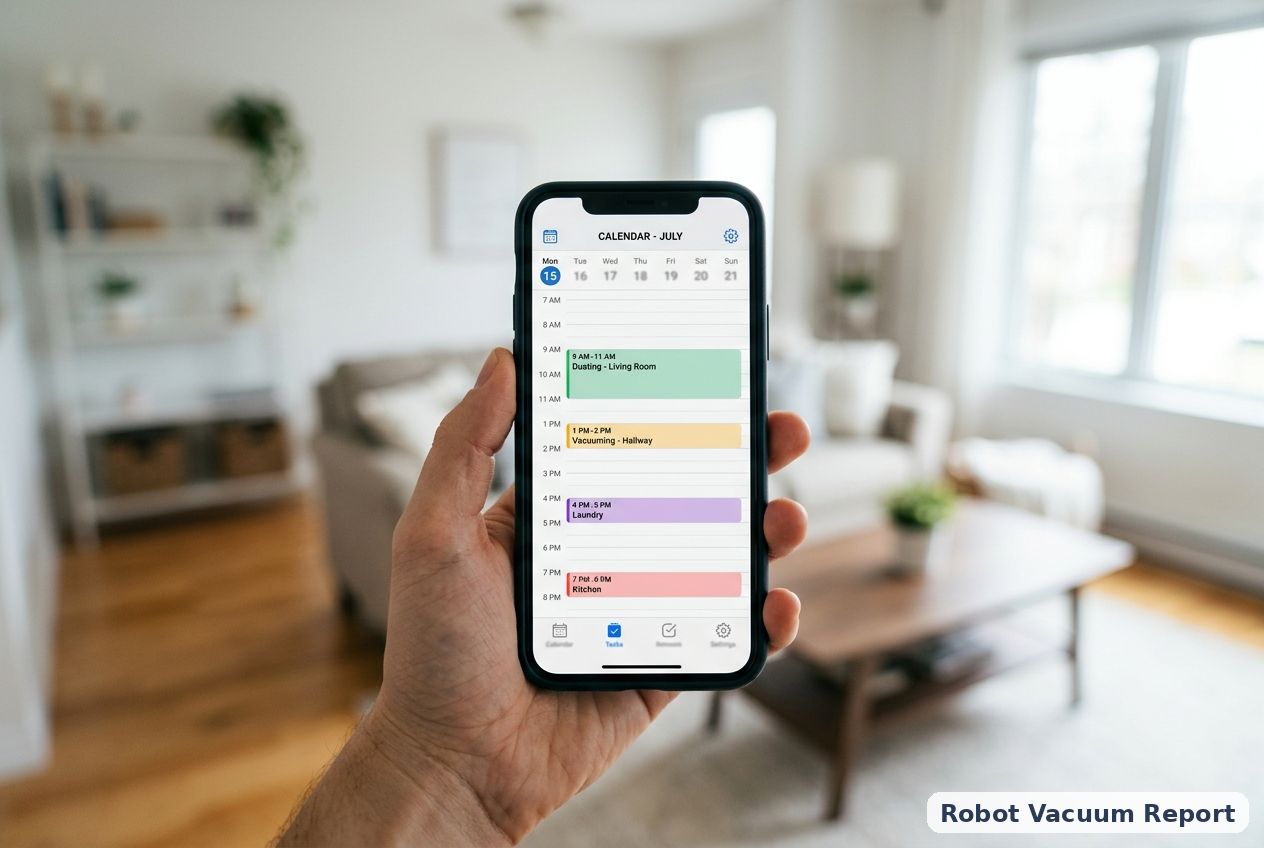
The whole point of a robot vacuum is that you forget it exists. Almost every app-connected model lets you set recurring cleans by day and time. A few tips for a schedule that actually sticks:
- Run it when you’re out. Mid-morning on weekdays is ideal — the house is empty, so navigation is uninterrupted and the noise doesn’t bother anyone.
- Use zone or room scheduling if your model supports mapping. Clean the kitchen and entryway daily (where debris lands) and bedrooms every other day.
- Schedule after meals. A run shortly after breakfast or dinner catches crumbs before they spread.
- Empty the bin on a rhythm. If your model isn’t self-emptying, tie bin-emptying to a weekly habit so it never overflows.
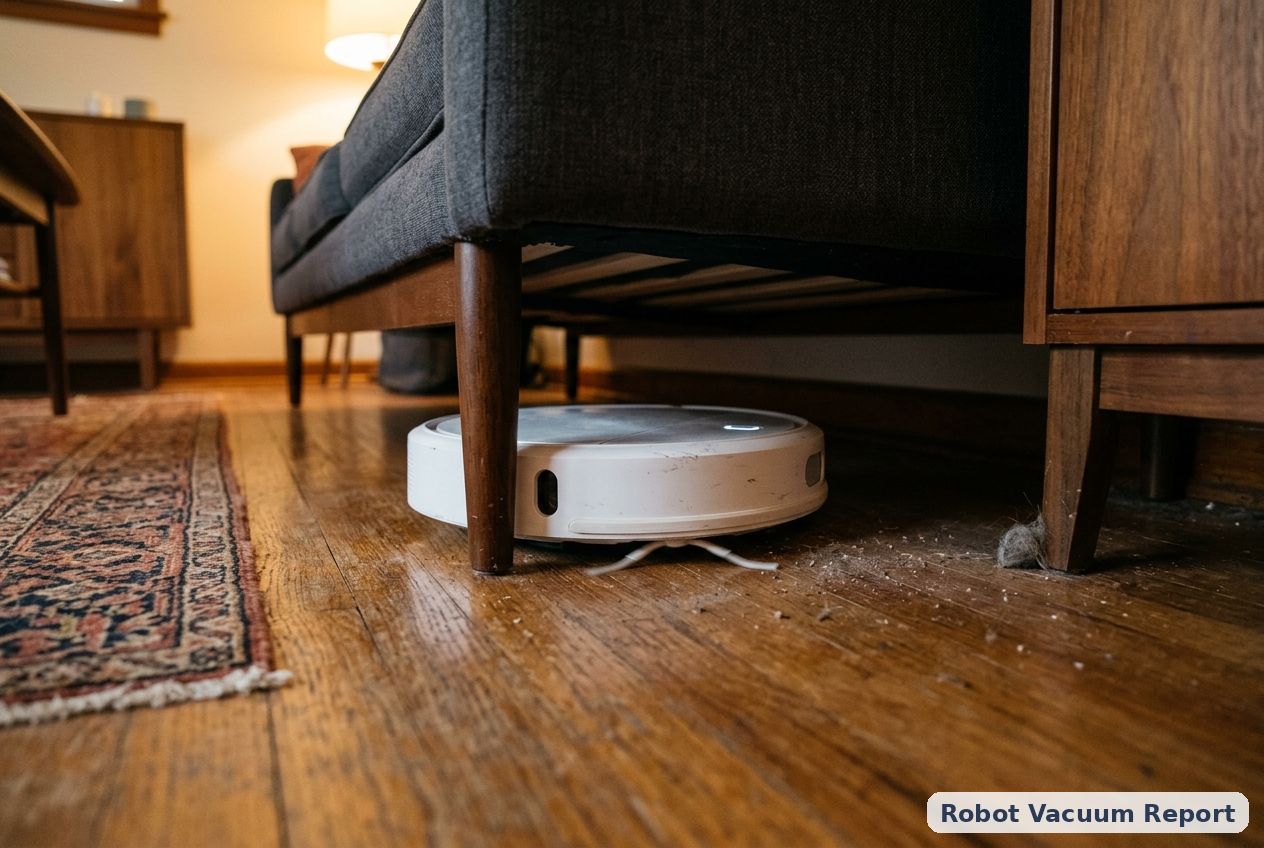
If reaching under sofas and beds is a priority, height matters — a low-profile robot on a daily schedule keeps those hidden zones from becoming dust reservoirs. Our robot vacuum for hardwood floors guide gets into clearance and navigation details worth checking before you commit to a model.
Does running it daily replace deep cleaning?
No — and it’s important to be honest about that. A robot vacuum keeps your floors consistently tidy, but it won’t replace an occasional deep clean with an upright vacuum or a proper carpet extraction. Think of the daily robot run as maintenance that stretches the interval between those bigger cleans, not eliminates them. For the full breakdown of where a robot stops and a traditional vacuum takes over, see our robot vacuum vs regular vacuum comparison.
📚 Related In-Depth Analysis
- Compare findings with our guide on Robot Vacuum Suction Power Explained.
- Compare findings with our guide on Robot Vacuum Hardwood Floors Pet Hair.
📚 Related In-Depth Analysis
- Compare findings with our guide on Budget Self Empty Robot Vacuum.
- Compare findings with our guide on Robot Vacuum For Hardwood Floors.
🔧 Interactive Planning Tool
Need exact measurements for your setup? Use our Furniture Clearance & Obstacle Navigator to Verify robot turret height against sofa clearance and carpet thresholds.
The bottom line

For most homes, once a day is the sweet spot — enough to keep dust, dander, and pet hair from ever building up, without needlessly wearing the machine. Cut back to a few times a week if you’re pet-free in a small, low-traffic space; bump up to daily-plus-spot-cleans if you have multiple heavy shedders. Set it, schedule it for when you’re out, and let it disappear into the background of your routine. That’s the whole promise of owning one.
Related: Keeping your robot vacuum maintained