Robot Vacuum Maintenance: The Simple Routine That Doubles Its Lifespan (2026)
As an Amazon Associate I earn from qualifying purchases. Prices and availability are accurate as of the date/time indicated and are subject to change.
🔍 How this guide was put together (Editorial Standards)
This guide compares options using published manufacturer specifications, patterns in publicly visible owner reviews, and reputable expert sources. We do not operate a physical testing lab; see our how-we-research page for details.
EDITOR'S PICKS
Top Picks

A robot vacuum is a little machine that eats hair, dust, and grit every day — so it needs maintenance, and the ones that die early almost always died of neglect, not defects. The good news: the routine is tiny — roughly ten minutes a month plus a few weekly habits — and it can double how long the vacuum lasts and keep suction like new. Here’s exactly what to clean and how often.
The maintenance schedule
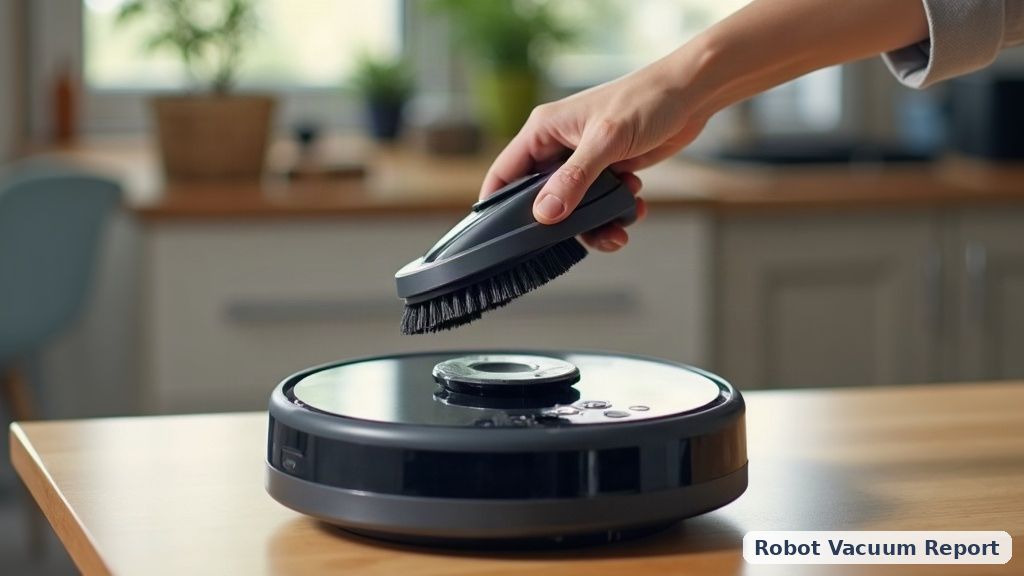
- Every 1–2 weeks: empty the bin (or let a self-empty base like the Shark Navigator handle it for weeks), and pull hair off the main brush and side brushes — tangled hair is the #1 performance killer, especially in pet homes.
- Monthly: tap out / rinse the filter (check if yours is washable; let it fully dry), wipe the sensors and charging contacts, and check the wheels for hair.
- Every 2–3 months: deep-clean the brushes (remove and clear the axles), and replace worn consumables.
- As needed: replace filters, brushes, and mop pads per the maker’s schedule — these are wear parts.
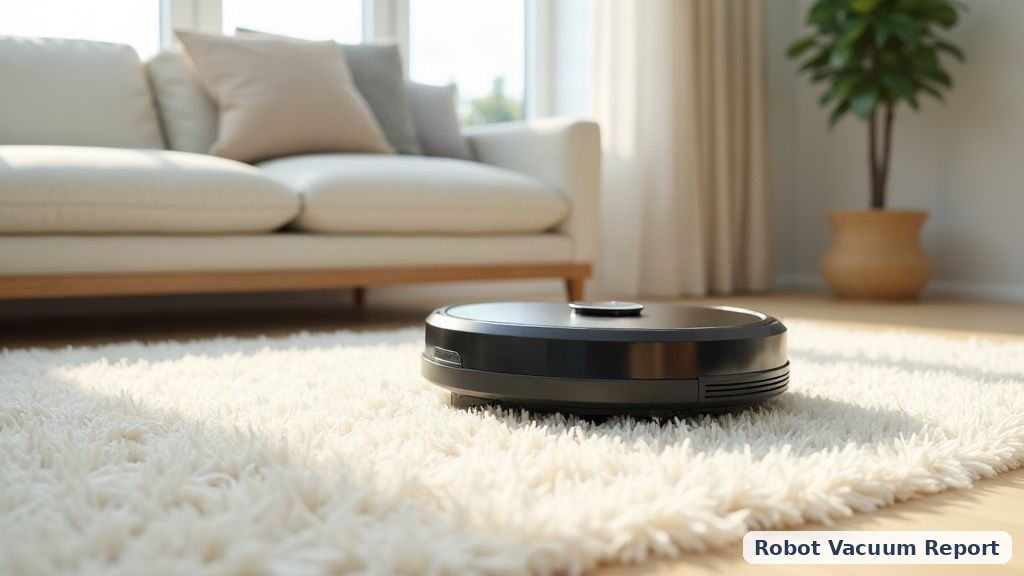
What actually kills robot vacuums
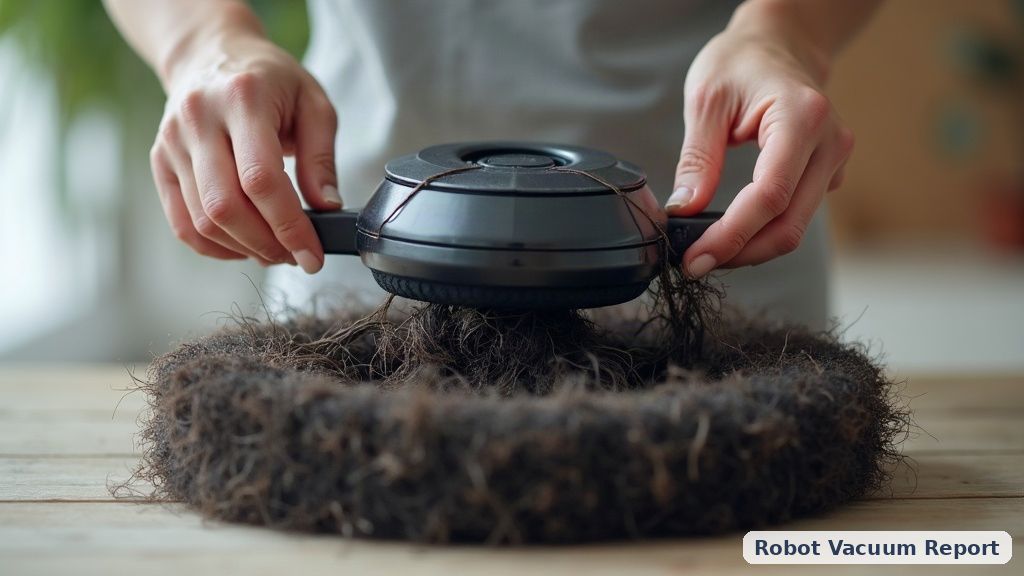
- Tangled hair on the brush/axles — chokes the motor and flattens suction. The single most important thing to stay on top of (see our pet-hair guide).
- A clogged filter — kills suction and strains the motor. Clean/replace on schedule.
- Dirty sensors — cause navigation errors and missed spots; a quick wipe fixes it.
- Running over cords/pet waste — a maintenance nightmare; good obstacle avoidance prevents it, but tidy cords anyway.
How often should I clean my robot vacuum?
Bin + brushes every 1–2 weeks (a self-empty base stretches bin duty to weeks), filter + sensors monthly, deep-clean brushes every 2–3 months, and replace wear parts on the maker’s schedule. In a pet home or if you run it daily, lean toward the more frequent end.
How long do robot vacuums last?
Typically 3–6 years with good maintenance — longer for premium models kept clean, much shorter if brushes clog and filters aren’t changed. Maintenance is the biggest lever on lifespan, more than brand. Batteries are often the eventual limit and are sometimes replaceable.
Can I wash a robot vacuum filter?
Only if it’s labeled washable — many HEPA-style filters are rinseable, but some are not and get damaged by water. Check your manual. If washable, rinse and let it fully dry before reinstalling (a damp filter breeds mold and loses suction). Either way, replace it periodically.
Why is my robot vacuum losing suction?
Almost always a clogged filter or hair-tangled brush — clean both first, that fixes it 90% of the time. Also check the bin isn’t full and the airway isn’t blocked. If suction is still weak after a full clean, the filter may need replacing or the battery may be aging.
📚 Related In-Depth Analysis
- Compare findings with our guide on Do Robot Vacuums Work In The Dark.
- Compare findings with our guide on How Often Run Robot Vacuum.
📚 Related In-Depth Analysis
- Compare findings with our guide on Best Robot Vacuum For Pet Hair.
- Compare findings with our guide on Robot Vacuum Mop Anti Tangle Pet Hair.
🔧 Interactive Planning Tool
Need exact measurements for your setup? Use our Furniture Clearance & Obstacle Navigator to Verify robot turret height against sofa clearance and carpet thresholds.
Ten minutes, years of life
Ten minutes a month keeps a robot vacuum running like new for years: clear hair from brushes every week or two, clean the filter and sensors monthly, deep-clean brushes quarterly, and replace wear parts on schedule. A self-empty base cuts the bin chore. Neglect the brush and filter and even a premium robot dies early — maintenance, not brand, decides its lifespan.