Robot Vacuum Suction Power (Pa) Explained: How Much You Actually Need (2026)
As an Amazon Associate I earn from qualifying purchases. Prices and availability are accurate as of the date/time indicated and are subject to change.
🔍 How this guide was put together (Editorial Standards)
This guide compares options using published manufacturer specifications, patterns in publicly visible owner reviews, and reputable expert sources. We do not operate a physical testing lab; see our how-we-research page for details.
EDITOR'S PICKS
Top Picks


A few years ago robot vacuums didn’t advertise suction at all. Now the box leads with it — 8,000 Pa, 10,000 Pa, 12,000 Pa — as if it’s the only number that matters. It isn’t, and more isn’t always better. Understanding what “Pa” measures (and what it doesn’t) saves you from overpaying for suction you’ll never use while ignoring the specs that actually decide clean floors.
What “Pa” actually means
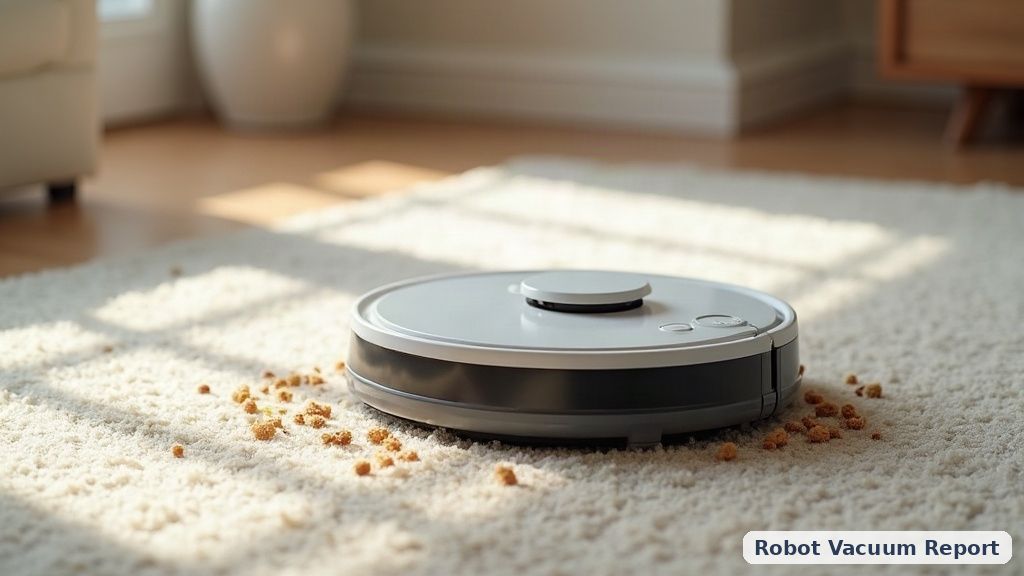
Pa stands for pascal, the unit of pressure. In a robot vacuum it describes the suction pressure the motor can generate — how hard it pulls air (and debris) into the intake. Higher Pa means it can lift heavier or more embedded debris, especially out of carpet pile where dirt hides below the surface.
But Pa is only potential. Whether that suction reaches the dirt depends on the brushroll, airflow path, and seal at the floor. A 10,000 Pa machine with a poor brush and leaky underside can clean worse than a 5,000 Pa machine engineered well. Suction is the headline; the system is the story.
How much suction do different floors need?
| Floor type | Suction that's plenty | Why |
|---|---|---|
| Hard floors (wood, tile) | 2,000–4,000 Pa | Debris sits on top; airflow matters more than raw Pa |
| Low-pile rugs / carpet | 4,000–6,000 Pa | Lifts surface dirt and light embedded grit |
| Medium/high-pile carpet | 6,000–10,000 Pa | Needs pressure to reach dirt deep in pile |
| Heavy pet hair | 6,000 Pa+ and a tangle-resistant brush | Brush design matters as much as suction |
The takeaway: for a mostly hard-floor home, even a mid-range machine has more suction than you need, and the extra pascals mostly show up as noise and shorter battery life. If you have thick carpet or a shedding pet, higher Pa earns its keep — see our deep-cleaning carpet guide and pet-hair picks.
Why does brushroll design matter as much as Pa?
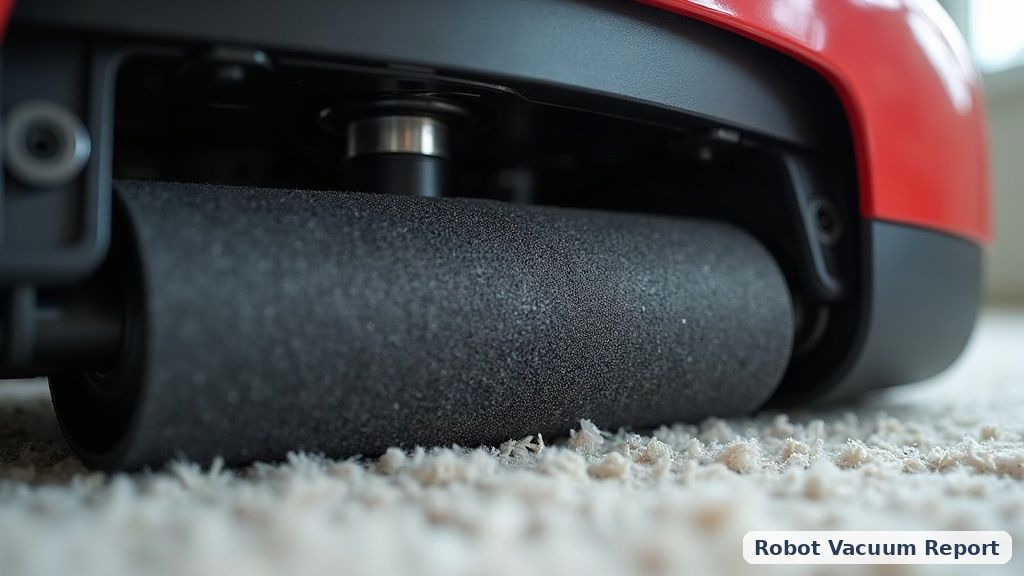
Suction lifts loose debris, but embedded dirt and pet hair need agitation — a brushroll physically flicking it out of the pile so suction can carry it away. That’s why a machine with moderate suction and a good rubber anti-tangle brush often out-cleans a higher-Pa machine with a bristle brush that hair wraps around. For pet homes especially, the brush type is the spec to scrutinize; our pet-hair guide digs into tangle-resistant designs. On hard floors, our hardwood guide explains why airflow and a soft brush beat brute Pa.
Does higher suction drain the battery?
Yes. Max-suction modes pull more current, so running high Pa everywhere shortens runtime and means more trips to the dock on a big floor plan. Good machines apply high suction only on carpet (auto-boost) and ease off on hard floors. If you have a large home, this suction-vs-runtime trade-off is central; we cover it in robot vacuums for large homes.
The marketing-number trap
Pa figures aren’t standardized across brands and are measured at the motor, not at the floor, so a “10,000 Pa” from one brand isn’t directly comparable to another’s. Treat Pa as a rough tier (low / mid / high), not a precise score, and weight real-world factors — brush design, auto-boost, dustbin size, obstacle avoidance — alongside it. Our obstacle-avoidance guide covers another spec that affects daily results more than an extra 2,000 Pa ever will.
📚 Related In-Depth Analysis
- Compare findings with our guide on Robot Vacuum Obstacle Avoidance.
- Compare findings with our guide on Budget Self Empty Robot Vacuum.
📚 Related In-Depth Analysis
- Compare findings with our guide on Budget Self Empty Robot Vacuum.
- Compare findings with our guide on Robot Vacuum Large Home Battery.
🔧 Interactive Planning Tool
Need exact measurements for your setup? Use our Furniture Clearance & Obstacle Navigator to Verify robot turret height against sofa clearance and carpet thresholds.
The bottom line
Suction (Pa) matters, but only to a point: 2,000–4,000 Pa clears hard floors, 6,000–10,000 Pa handles thick carpet and pet hair, and beyond that you’re mostly buying noise and battery drain. Match the number to your actual floors, then judge the machine on brushroll design, auto-boost, and battery — the parts that turn suction into clean floors. Don’t buy the biggest number; buy the right system for your home.